Your Rehearsal Room Is Now Your Booking Agent: Teen Bands and the 40-Second Clip That Fills a Venue
Photo: https://linktr.ee/carnaval.com, CC BY 4.0, via Wikimedia Commons
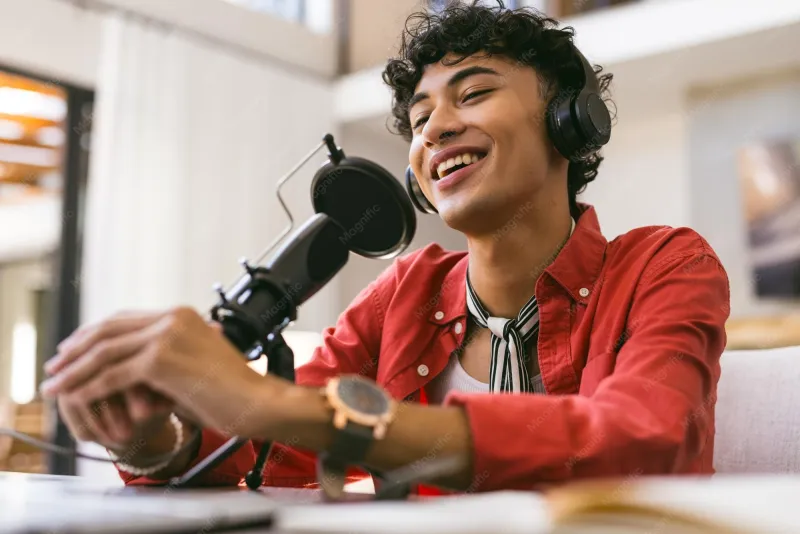
There's a moment that happens in practice spaces all over America now. A band runs through a song, someone props a phone against a guitar case, and forty seconds later the whole thing is posted. By the weekend, a venue two hours away is sliding into the DMs asking if they're free on a Friday.
That's not a fluke. That's the new pipeline.
The Demo Tape Is Dead (Again)
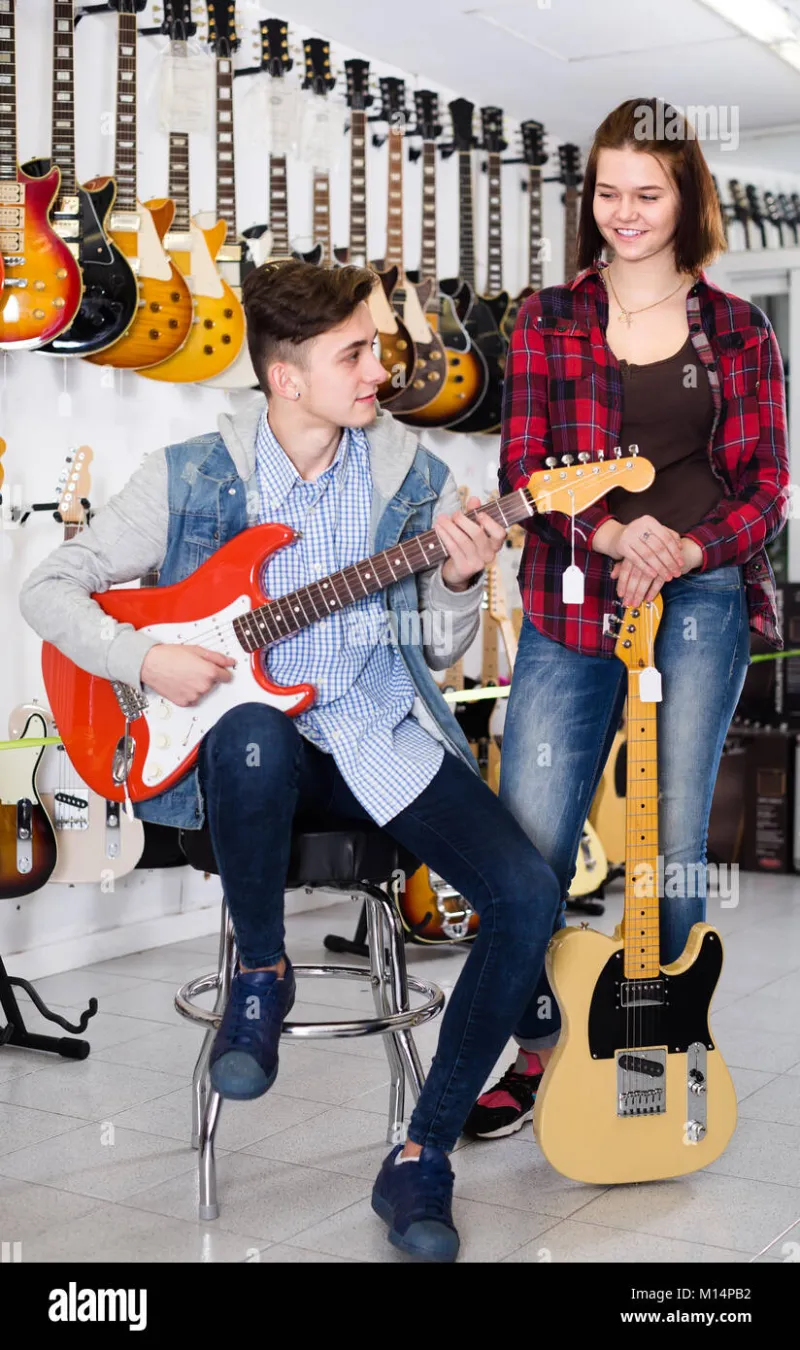
For decades, the path to a first gig looked the same: record something rough, burn it onto something, mail it or hand-deliver it, and pray. Then came the MySpace era, then the SoundCloud era, and now we're squarely in the era of the vertical video clip — TikTok, Instagram Reels, YouTube Shorts. For bands whose oldest member can't legally drive, this shift is seismic. The kids who once needed a parent to chauffeur a demo to a club owner now need exactly one thing: a phone and a decent take.
Take Second Basement, a four-piece of 15- and 16-year-olds from the Columbus suburbs. They'd played exactly zero shows when a clip of their bassist, June, laying down a filthy groove during practice racked up a couple hundred thousand views. Within three weeks they'd been offered slots at a teen music festival in Cincinnati and an all-ages night at a small club in Detroit.
"We literally had no idea what we were doing," June told us. "We just posted stuff because it was fun. Then people started commenting 'come play here' from cities we'd never been to."
Why Short Clips Work for Short People (With Short Careers So Far)
There's a practical reason the forty-second clip has become the currency of teen band promotion: it's the only format that fits a teen's life. Homework, sports, AP exams, curfews — nobody's got time to produce a music video. But a single camera angle of a killer chorus? That's doable between Algebra II and dinner.
And for the people doing the booking, short clips answer the question every venue owner asks: will anyone show up? A band with 10,000 views and a comment section full of local teens tagging their friends is a safer bet than a band with a polished EP nobody's heard.
"I can tell more from one rehearsal clip than I could from three songs on a demo," says Marcus Delgado, who runs all-ages bookings at a small venue in the Pacific Northwest. "I'm looking at the energy, sure, but I'm also looking at the comments. Are these kids' friends in the area? Is there a scene? That tells me if I'm booking a show or a practice."
The Playbook: From Views to Butts in Seats
Here's where a lot of viral-adjacent teen bands stumble: views don't automatically become ticket sales. A kid in another state hitting 'like' doesn't buy a $10 ticket. So how do you convert the algorithm into an audience? We asked Riley Tran, an 18-year-old band manager from the Denver area who manages two teen acts and has gotten both booked across the Mountain West.
Her advice is refreshingly unglamorous.
Post consistently, not perfectly. "One good clip a week beats one great clip a month," Riley says. "The algorithm rewards showing up. So does your future audience." She recommends filming every practice anyway — you never know which throwaway take becomes the clip.
Geotag everything. The whole point is local discovery. Tag your city, your suburb, your school district. "The venue owner in your town is way more likely to see a clip tagged three miles from their bar than one that just says #rockband," Riley explains.
Make the comment section do the work. When people ask "do you play shows?", reply with a date, a venue, a ticket link. Pin the comment. Every show announcement gets its own clip — even if it's just the band yelling the date into a mic in a garage.
Keep the online crowd warm between gigs. Riley's bands post the in-between stuff too: new riffs, merch unboxings, the van (well, the minivan) getting loaded. "People don't just follow a band, they follow the story. The story is what makes them drive forty minutes to see you."
Then get them off the app. The endgame is always the room. Riley has her bands post a clip the night before a show, the morning of, and a thank-you clip the day after — with footage from the gig itself, which conveniently becomes next week's content. It's a loop: clip builds show, show builds clip.
The Parents' Role in the Feed
A quick note for the moms and dads reading this: the phone that films the rehearsal is probably your phone, and the account is probably managed by a minor. Get involved. Know the password, understand the DMs, and make sure any booking conversations with adults at venues happen with a parent cc'd. The internet is a great booking agent and a terrible chaperone.
The Scene That Builds Itself
The most interesting thing about this new model isn't the views — it's the scenes it's stitching together. Because clips travel, teen bands in neighboring towns discover each other, trade gigs, and build multi-band bills that draw real crowds. A kid in Kansas City can watch a band from Wichita and ask them to split a show. That's how regional scenes have always been built; it's just happening at the speed of a scroll now.
The garage band isn't dead. It just has a follower count.