Spin Me Right Round: The Teen Band's Guide to Pressing Your First Record Without Going Broke
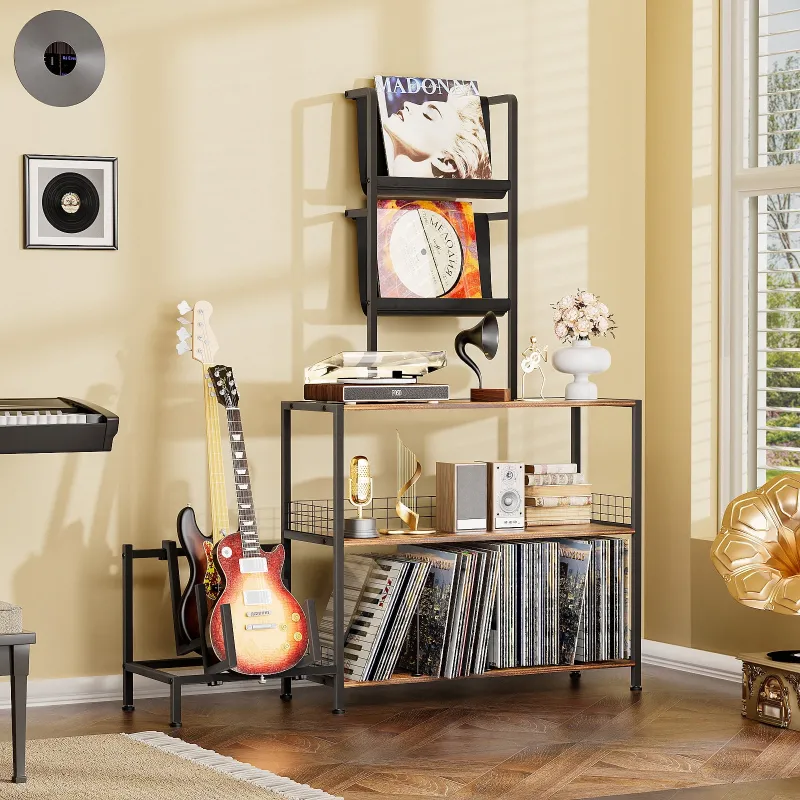
Photo: teenager holding vinyl record band merchandise table, via i5.walmartimages.com
There's a moment every young band remembers: the first time they hold a record with their band name on the center label. Not a burned CD. Not a Bandcamp link. An actual, physical piece of plastic that spins and plays their song.
Here's the part most kids (and their parents) don't know: that moment costs way less than you'd think. While streaming pays fractions of a cent per play, a $20 record at the merch table is pure profit after the first few sales. For teen bands trying to fund the van fund, the physical format isn't nostalgia — it's a business model.
Lathe Cuts: The Gateway Drug to Vinyl
Full vinyl pressing traditionally requires a minimum run of 100 to 300 copies, which sounds terrifying when your fanbase is mostly classmates and your aunt in Ohio. Enter the lathe cut.
Lathe-cut records are made one at a time, in real time, by a machine carving grooves into blanks — often square or clear plastic ones that look super cool. Services around the country will cut a single record for $20-40, or small batches of 10 to 25 for a fraction of traditional pressing costs.
The audio quality is a notch below pressed vinyl, and yeah, the records can be slightly off-center. But for a limited-edition release of 15 copies? Nobody cares. Scarcity sells, and "only 15 exist" is a marketing sentence that writes itself.
Crowdfunding the Full Pressing
Once a band has a following — even a small one — crowdfunding a proper pressing is the classic move. Platforms like Kickstarter have launched thousands of debut records, and the formula is simple:
- Set a realistic goal. A 100-copy run of a 7-inch single typically runs $800 to $1,500 all-in with jackets and shipping.
- Price the tiers. Digital download at $5, record at $25, test pressing plus handwritten thank-you at $60.
- Ship from home. A media mail rate from the post office keeps costs sane. Parents, this is your department — the USPS media mail rate is the unsung hero of the teen music economy.
The real lesson here isn't the money. It's learning to ask an audience to invest in you, deliver on a promise, and communicate when things run late. That's a resume line disguised as a rock show.
Don't Sleep on Cassettes
The humble cassette is the best-kept secret in the young-band economy. Duplication houses will run 50 tapes for $100 to $150, sometimes less. Add a hand-stamped J-card and you've got a $10 merch item with a 90% margin.
Cassettes also play nice with the house-show circuit covered elsewhere on this site — they fit in a hoodie pocket, and nobody's hauling a turntable to a basement show.
Why Physical Still Wins at the Merch Table
Watch any all-ages show in America and you'll see the pattern: the QR code gets scanned by three people. The record on the table gets picked up by twenty.
A physical record is a souvenir of a night, a conversation starter, a gift for a friend. It turns a listener into a supporter. For a band of sixteen-year-olds from anywhere, USA, that $25 sale funds the next rehearsal space rental, the next batch of strings, the next pressing.
Start small. Cut one lathe record. Sell it to the person who sang along loudest. Then press 100. That's how it's done — one spin at a time.