No Stage? No Problem: Teen Bands Book the Laundromat Circuit

Photo: JIP, CC BY-SA 3.0, via Wikimedia Commons
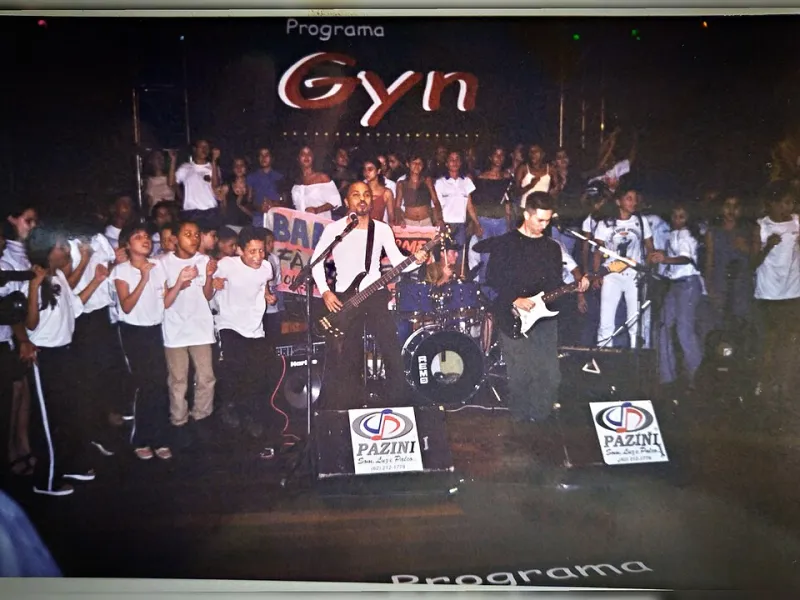
The flyer said doors at 7. The doors, in this case, were the front entrance of a laundromat on the east side of Columbus, Ohio, and the 'green room' was a folding chair next to the change machine. By 7:15, three teenage bands had loaded in around a row of industrial washers, a drummer had wedged his kit between a vending machine and a bulletin board, and roughly sixty people were folding laundry to a garage rock set. Nobody seemed to think any of this was strange.
Welcome to the non-venue venue — the gig circuit that exists because America's under-21 bands can't get booked at the bar down the street, and the laundromat on the corner doesn't have a booking calendar. If your band is tired of playing the same three coffeehouse slots, this is your field guide.
Why the Weirdest Rooms Are the Best Rooms
There's a practical reason teen bands end up in laundromats, tattoo shops, record store back rooms, and farmers market pavilions: most legitimate music venues in America serve alcohol, and alcohol means an age restriction. A laundromat has no such problem. Neither does a skateboard shop, a bike co-op, or the pavilion at your town's Saturday market.
But the weird rooms offer something better than mere access. They come with a built-in, curious audience. People come to do laundry; a band shows up and suddenly folding towels feels like an event. The tattoo parlor crowd skews exactly toward the kids who might buy your merch. And a farmers market puts you in front of parents, grandparents, and little kids — the friendliest crowd you'll ever play, and the one most likely to Venmo you five bucks for an EP.
Ask around and you'll find this is happening everywhere. Teen bands in Portland have gigged in a doughnut shop after hours. In Austin, house-show culture has spilled into barbershops and vintage stores. In small-town Ohio and Indiana, the pavilion at the county farmers market has quietly become the most reliable all-ages stage in a twenty-mile radius.
First, Get the Owner to Say Yes
The hardest part isn't playing the laundromat. It's walking in and asking the person behind the counter if their business would like to host four teenagers and their amplifiers.
Here's how to not blow the pitch:
- Lead with what's in it for them. Foot traffic. Free entertainment for their customers. A social media post they can reshare. Small businesses live and die on word of mouth, and a band with 800 local followers is a marketing asset.
- Promise clean, and mean it. No profanity, no moshing, no blocking the doorway. Owners are terrified of one bad night scaring off regulars. Put it in writing if you can — even a one-paragraph text message agreement helps.
- Keep the crowd small and controllable. Suggest a cap. Offer to have band parents attend as chaperones. Nothing reassures a shop owner like a mom in a folding chair by the door.
- Offer to clean up. Actually clean up. Sweep. Take out the trash. Leave the space better than you found it, and you'll get asked back.
Power, Permits, and the Extension Cord Question
Once you have a yes, the logistics begin. Non-venues were wired for washing machines, not PA systems, so do your homework.
Power: Ask the owner which outlets are on which circuits. A laundromat actually has beefy wiring — but it may all be dedicated to the machines. Bring your own power strips and extension cords, and don't daisy-chain them into a fire hazard. If you're running vocals and a small guitar amp, a single 20-amp circuit can usually handle it. Test everything before doors, not during your first song.
Permits: This varies wildly by town. A private business hosting a free show usually needs nothing. But if you're collecting a cover charge, selling tickets, or playing a public space like a park pavilion or a farmers market, your city may require a small entertainment permit or a vendor license. Call your city hall — seriously, just call — and ask. It's often $25 and a form. Playing a farmers market? Talk to the market manager first; most have a busking or performance policy and a schedule.
Insurance: Nobody expects a teen band to carry an insurance policy, but know the landscape. If you're playing inside a business, the business's liability policy generally covers the space. If you're hurting someone's ears or someone trips over your pedalboard, though, the owner eats it. Which is why the golden rule of non-venue gigs is: keep it small, keep it safe, and never let anyone's amp block a fire exit.
Noise: Laundromats have neighbors. Tattoo parlors have customers getting needles poked into them. Check local noise ordinances, agree on a volume with the owner, and consider going acoustic-leaning if the room is small. A drummer with brushes and a low-key PA setup will get you rebooked every time.
The Paycheck Is Weird, and That's Fine
Don't expect a guarantee. Non-venue gigs pay in stranger currency: tips in a pickle jar, merch sales, a laundromat owner who slips you $40 and a free wash card, a farmers market that pays in sandwich credits. One teen band in North Carolina reports their best-paying non-venue gig was a garden center in April — $75 and all the free mulch they could haul.
Take it. The money is real, and so is the experience. Playing a weird room teaches you things a proper stage never will: how to run your own sound, how to win over strangers who didn't come to see you, how to load in through a service door without scratching anything. Those are touring skills.
Build the Circuit, Then Own It
The magic happens when one weird gig becomes a circuit. Play the laundromat, get the tattoo parlor's number from the owner's cousin, play the market pavilion, and suddenly you've got a monthly route and a mailing list. The bands that graduate from bedroom to actual stages almost always put in their reps in rooms with no stage at all.
So grab your amp, your longest extension cord, and your most polite band parent. Somewhere in your town, right now, there's a laundromat owner who'd love some live music on a Friday night. The GPS says you've arrived. Start loading in.