Couch Seating, Killer Sound: Why the All-Ages House Show Is America's Best New Venue
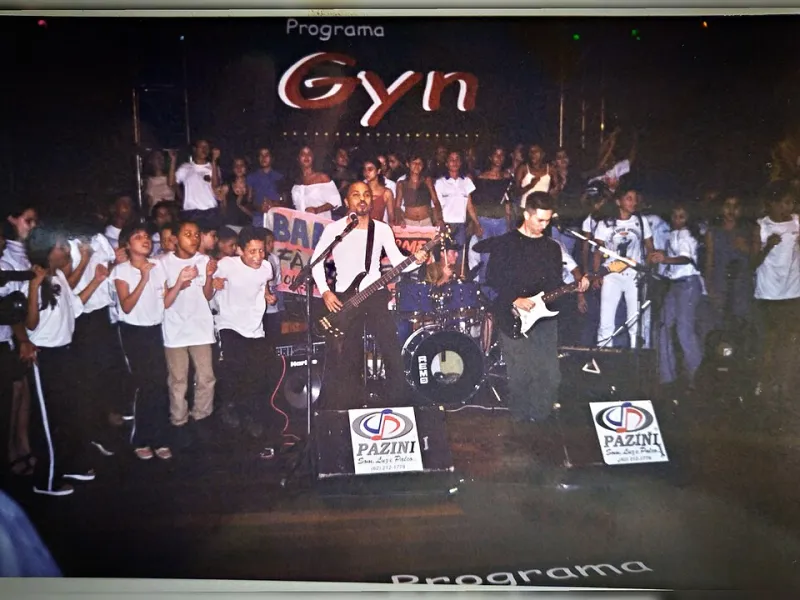
Photo: Saulo Pavão, CC BY-SA 4.0, via Wikimedia Commons
Somewhere in suburban Ohio right now, a mom is moving the couch against the wall. A dad in Portland is running an extension cord out to the garage. And in a basement in suburban Atlanta, four sixteen-year-olds are duct-taping egg cartons to the wall and calling it 'acoustic treatment.'
Welcome to the all-ages house show — the scrappiest, warmest, and honestly most important live music circuit in America right now.
While club bookers hem and haw about whether a band with a high school sophomore in it can pull a crowd, parents across the country have quietly solved the problem. Their answer: skip the club. Host the show yourself.
The Living Room Is the New Rock Club
The house show isn't a new idea — punk and indie scenes have run on them for decades. But something shifted in the last few years. All-ages venues closed. Booking teen bands got harder. And a generation of parents who grew up going to shows in basements and VFW halls looked around and thought, 'We can just do this.'
So they did. A folding table becomes a merch stand. A string of Christmas lights becomes the lighting rig. The family room becomes, for three hours on a Saturday night, the best small venue in town — because there's no drink minimum, no sound guy rushing the band off stage, and every single person in the room came to hear the music.
For young bands, the difference is huge. A house show crowd actually listens. They sing along. They stand four feet from the amp. That kind of attention is a masterclass in stage presence that no school talent show can replicate.
The Logistics: What Host Parents Actually Do
Running a good house show takes real work, but the playbook is simpler than you'd think.
Talk to the neighbors first. This is the golden rule. A knock on the door a few days before the show — a heads-up, an end time, a phone number to text if it gets too loud — turns potential complaints into allies. Plenty of host parents report neighbors who end up in the front row.
Know your local noise ordinance. Most towns have quiet hours starting between 9 and 10 PM. Savvy hosts book an early show — bands start at 6, everyone's home by 9:30. Bonus: an early slot means younger siblings can attend and younger kids can actually get booked.
Plan the money side. The standard move is 'passing the hat' — a suggested donation of five or ten bucks that goes straight to the bands. Most host parents set up a simple jar or a QR code. Nobody's getting rich, but a teen band walking away with $60 and a full room feels like a victory tour.
Keep the guest list manageable. A Facebook event or group text with an RSVP works fine. Hosts cap attendance at what the space and the fire marshal's common sense allow, and they require that younger kids have a parent reachable or on-site.
The Safety Playbook Grown-Ups Actually Use
Here's where the parent-run model really earns its keep. House shows run by families tend to be the safest shows around, because the hosts apply the same rules they'd apply to any sleepover — just with louder guitars.
- Parents stay. At least one host parent is present the whole time, usually stationed near the door and the snack table.
- No instruments leave the house. Gear gets played, then packed. It sounds obvious, but the best hosts state it upfront.
- Clear boundaries. Certain rooms are off-limits, the show has a hard end time, and everyone knows it before they walk in.
- Group chats are the security system. Parents of attendees all have each other's numbers. Drop-off and pick-up times are coordinated. It's less rock and roll, more carpool — and it works.
The result is an environment where a fourteen-year-old can play their first show in front of an actual crowd without anyone's mom having to worry.
Why This Circuit Matters
Ask almost any working musician about their favorite show and you'll hear about somebody's basement. The room was too small, the PA was a Bluetooth speaker, and it was perfect.
The house show circuit is where American kids learn the parts of being in a band that can't be taught in a lesson room: reading a crowd, recovering from a broken string, loading gear up a narrow staircase, and playing to twenty people like it's twenty thousand.
It's also where scenes get built. The three bands on a basement bill in Minneapolis will share gear, share fans, and maybe share a van someday. That's how it's always worked — the clubs just forgot to leave room for the young ones.
So if your kid's band needs a stage, consider this your nudge. Move the couch. Text the neighbors. Pass the hat.
The next Future Rockstar of America might be one living room away from their first great show.