Send Everyone Home by Nine: The Case for the All-Ages Show That Ends Early
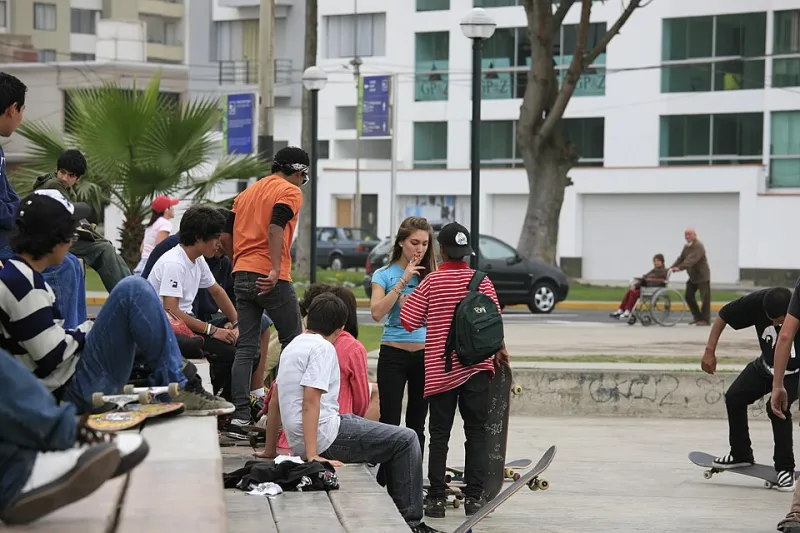
There is a particular sound at the end of a good all-ages show, and it is not feedback. It is a parking lot full of minivans with their lights on, idling while a kid walks out with a shirt in a plastic bag and a story they will tell at school on Monday.
By 9:05, the lot is empty. The venue staff is sweeping. The band is eating cold pizza out of a cardboard box in the loading zone.
Some people in the scene treat that early ending like a compromise — the trade you make when you book teenagers. I think it is the opposite. The early-curfew show is not what we settle for. It is the thing we should be building around.
The Problem With the Late Slot
A traditional club night starts at nine and the headliner goes on at eleven. It works for adults with babysitters and flexible mornings. For a band made up of high schoolers, that structure means every single member needs a ride after midnight, a guardian willing to do it, and a venue willing to accept the liability of minors in a room at 12:20 a.m.
Most venues say no to that. The ones that say yes do it once.
And here is the part nobody says out loud: the attendance at those late shows is often terrible. A kid who has to be at the bus stop at 6:40 a.m. does not stay for the third band. Neither does the parent who drove them. The room thins out right when the band with the most to prove finally gets onstage.
The 6:30 Doors Advantage
Shift the whole night forward by three hours and everything loosens up.
Doors at 6:30. First band at 7:00. Three or four acts, twenty-five minutes each. Last chord around 8:45. Out the door by 9:15 with the gear stacked and the floor swept.
What that structure buys you is enormous. Younger siblings can come. Kids who have never been to a show that was not in a school gym can come. Parents can stay for two bands and still get home in time to do the dishes, which — and this matters — means they will say yes again next month.
Attendance goes up because the show is no longer competing with bedtime. Sound engineers are happier because they are not mixing at 10:45 p.m. with a hall full of exhausted people. And the bands get something genuinely valuable: an audience that is actually watching instead of leaning against a wall waiting for the headliner.
Shorter Sets Make Better Bands
Twenty-five minutes is not a punishment. It is a discipline.
The ten-song set that a teen band plans for a four-hour window almost never gets played. Trim it to six or seven and something interesting happens: the filler disappears. Kids start cutting the cover they do not quite nail. They start opening with the song that actually works instead of the one they are most nervous about. They learn to end on time, which is the single most professional thing any band at any age can do.
Give a band a hard 8:45 and you are not limiting them. You are teaching them the exact skill that separates working musicians from hobbyists: getting on, saying what you came to say, and getting off.
The Venue Math Nobody Talks About
Ask a hall manager or a church basement coordinator what they actually worry about, and it is rarely the music. It is insurance, curfew, cleanup, and whether the neighbors will call the city.
A show that ends before nine solves most of that. The building is quiet at a reasonable hour. The parking lot empties in one wave instead of trickling out past midnight. The volunteer who has to lock up can do it and still be functional on Sunday morning.
That is how you get invited back. A venue that has an easy night says yes to a second one, and then to a monthly slot, and then to letting the band store a cabinet in the back closet. Scene-building does not happen in the late hours. It happens in the boring, reliable, well-run early ones.
The First-Show Problem
The all-ages scene has a quiet gatekeeping problem, and it is called 10:30 p.m.
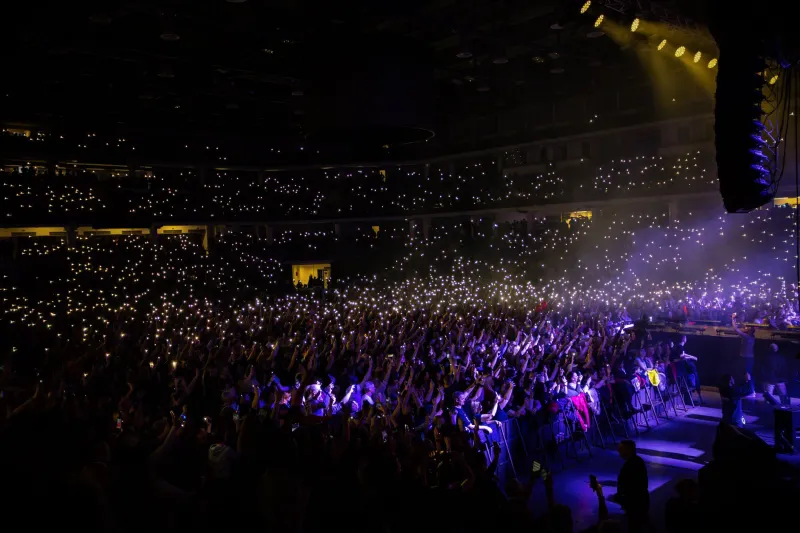
A twelve-year-old's first concert should not have to be an arena. It should be some kid three years older than them, playing a song they wrote in a bedroom, in a room small enough that you can see the drummer's face. That is how people fall in love with this stuff. That is how future bandmates get found.
An early show is the on-ramp. It is the show a family can say yes to on a Wednesday. And every one of those twelve-year-olds is a person who will buy a ticket, join a band, or run a venue in eight years.
The Case for 8:45
I am not arguing that every show should end before nine. Grown-up rooms exist for a reason, and there is real value in a band learning to play for a crowd that has been drinking since seven.
But for the all-ages scene — the halls, the coffee shops, the church basements, the VFWs with the good PA — the early ending is not the compromise. It is the format. It is how you get four bands on a bill, a full room, and a venue that wants you back.
Book the 6:30 doors. Play the tight twenty-five. Take the last chord at 8:45 while the room is still full of people who are still awake. Then go home, get some sleep, and do it again next month.