Hands Up, Elbows In: The Unwritten Rules of the All-Ages Pit, Explained for First-Time Performers
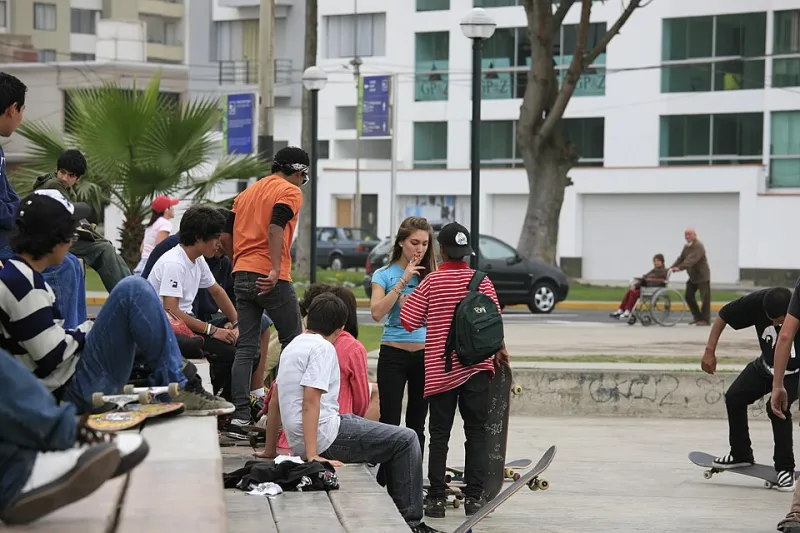
Photo: Alex Proimos from Sydney, Australia, CC BY 2.0, via Wikimedia Commons
Here's the thing nobody tells you when you book your first all-ages gig: the crowd is part of your instrument. You can be the tightest three-piece in the tri-county area, but if the room feels unsafe, the show dies — and so does your chance of getting invited back.
The good news? Keeping an all-ages floor fun and safe isn't complicated. It just takes a little intention, a little communication, and a willingness to stop the song if something's genuinely wrong.
The Pit Isn't a Fight — It's a Conversation
Ask any veteran teen band about moshing and you'll hear the same phrase over and over: it's a dance, not a brawl. At a house show in Columbus or a VFW hall outside Portland, the pit works because everyone in it has silently agreed to the same deal — push hard, but pick people up.
"First time I saw someone go down and the whole circle just stopped to grab them, I got it," says Milo, 16, who plays guitar in a hardcore band from the suburbs of Chicago. "That's when you realize the pit polices itself. Our job from the stage is to remind people of that deal."
How? Between songs. Seriously. A ten-second "hey, if someone falls, pick them up" from the mic does more for show safety than any posted sign ever will. It's not uncool. It's the opposite of uncool.
Read the Room Before You Plug In
Every venue has a personality, and pretending otherwise is how things go sideways. A basement show with forty kids packed shoulder-to-shoulder is a different animal from a rec center gig where half the audience is parents holding phones.
Veteran all-ages promoters say the best young bands do a quick walk-through before doors open. Where are the exits? Is there a bar or snack table that shouldn't get leveled? Are there younger kids sitting up front who didn't sign up for stage dives?
"I tell bands the same thing every time," says one promoter who runs all-ages shows in the Raleigh-Durham area. "You're not responsible for everyone's fun, but you are responsible for the room's temperature. If it's trending hot, cool it down. Play the mid-tempo one. Talk to the crowd. Nobody remembers the setlist — they remember how the night felt."
Stage Dives, Crowd Surfers, and the Art of the Call
Look, we're not here to tell you stage dives are forbidden. Some of the best all-ages moments in American underground music started with a kid launching off a monitor. But there's a difference between a dive and a dare.
The unwritten rules, straight from the floor:
- Call it before you do it. Point at the crowd. Make eye contact. Give people a second to get ready.
- Never dive over the youngest kids in the room. If someone looks twelve and terrified, aim elsewhere.
- Shoes on. A barefoot crowd surfer is a broken-toe factory.
- If the band clears the front, respect it. When a performer says "give them space," the show pauses until it happens.
And if you're the band and someone gets hurt — actually hurt, not just winded — stop playing. Full stop. The song can wait. The crowd will remember that you cared, and that's the kind of reputation that books you your next ten shows.
A Word for the Parents in the Back
If you're a parent dropping off — or worse, staying to watch — your first instinct might be to shut the whole thing down the moment the floor starts moving. Take a breath. Roughhousing to loud music is as old as rock and roll itself, and all-ages shows with real promoters have more safety infrastructure than most school dances.
What you can do: ask the promoter about water access, confirm there's an adult on site, and have the "if you feel unsafe, leave the floor" conversation in the car on the way over. That last one does more than any rule sheet.
The Pre-Show Checklist
Print this. Tape it to your amp. Thank us later.
Before doors:
- Walk the room — exits, obstacles, sightlines
- Agree on a band signal for "slow it down" and "stop the song"
- Know who the on-site adult/promoter is
During the set:
- Remind the crowd to pick people up — once is enough
- Watch the front row, not just your pedalboard
- Clear the front if someone needs help
After the show:
- Check on anyone who took a hit
- Thank the promoter and the sound person
- Debrief: what worked, what didn't
Loud and Safe Aren't Opposites
The best all-ages shows in America aren't the wildest ones — they're the ones where everybody, from the drummer to the kid in the back holding somebody's water, knows the deal. Energy and care aren't enemies. Handled right, they're the same thing.
Play hard. Look out for each other. See you at the next one.