One Song to Rule the Set: How Teen Bands Find the Original That Defines Them
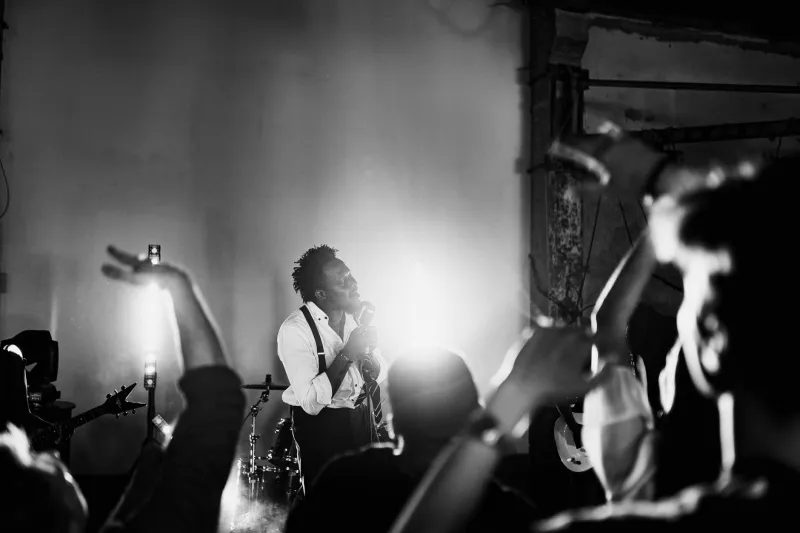
Ask any band that's played more than a handful of open mics and they'll tell you the same thing: covers get people through the door, but originals get people talking in the parking lot afterward. And usually, it's not the whole catalog doing that work. It's one song.
Call it a signature song, a calling card, a banger — whatever language your band uses — it's the track that makes a showcase booker remember you when they're filling next month's lineup. For teen bands trying to graduate from birthday parties to actual venues, it might be the single most important piece of original material you ever write.
Why One Song Matters More Than Ten
Think about the bands you love. Chances are you found them through one song, not a discography. Nirvana had "Smells Like Teen Spirit." The Strokes had "Last Nite." Green Day spent years on the Berkeley scene before "Longview" made people pay attention. Even local heroes — the band from your rival high school that everyone mentions — usually built their reputation on two or three originals, with one leading the charge.
For a young band, the math is simple. You'll get fifteen to twenty minutes at most open mics. That's four or five songs. If one of them lands, the audience walks away with a name to remember. If none of them do, you're just the band that played before the headliner.
Songwriting Exercises That Actually Work
We asked instructors at youth music programs around the country how they get teen bands writing material worth repeating. Their answers had less to do with theory and more to do with momentum.
The ten-minute rule. "Perfectionism kills more first songs than bad chords ever will," says one Austin-based program director. Her exercise: give the band ten minutes to write a complete song — verse, chorus, done. It doesn't have to be good. It has to be finished. Most bands are shocked at what survives that deadline.
Steal the skeleton, not the song. Take a song everyone in the band loves, strip it down to its structure — how many bars, where the chorus hits, where the bridge lives — and rebuild it with your own melody and lyrics. This is how a huge chunk of famous first songs were written, whether anyone admits it or not.
Write for the room, not the bedroom. One instructor in Chicago has his students imagine the specific venue they want to play — the basement stage at a community center, the outdoor stage at a summer festival — and write something that would work in that exact space. Small rooms reward big energy. Big stages reward big hooks.
The Live-Audience Checklist
So you've got a few originals demoed on your phone. Which one is the signature? Don't guess — test. Here's the checklist our instructors recommend running at your next three shows:
- The look-up test. When you play it, do people in the crowd stop their conversations and look toward the stage? Phones down is the highest compliment a stranger can give.
- The hum test. Does anyone — a friend, a parent, the sound tech — hum the chorus the next day? Hooks that stick without trying are gold.
- The mosh-lite test. Do your classmates move during it? Not necessarily slam-dance — head-nodding, foot-tapping, one kid jumping counts.
- The setlist test. Do band members fight to play it, or fight to skip it? A signature song the bassist hates won't survive six months.
- The booker test. After your set, does the venue's open mic host mention that song by name? That's your calling card working.
If a song passes three or more of these, congratulations — you've got your closer. Build your setlist around it and end every show with it until people expect it.
Own It, Then Outgrow It
Here's the part nobody tells you: the signature song isn't a life sentence. It's a door opener. Write it, polish it, play it until your neighbors know the words, and then — once it's done its job — start writing the song that replaces it. The best bands are always one great track ahead of their reputation.
Until then, find your song. The one that sounds like your band and nobody else's. Then play it loud enough that the next showcase booker in town learns your name before you even hand them the demo.