Borrowed Amps and Big Dreams: The Free Programs Turning Any Kid Into a Rocker
The old joke about rock school was always the same: it's a great idea if your parents can swing two hundred bucks a week. Private lessons run sixty dollars an hour in most cities. A decent beginner guitar, even used, sets a family back a couple hundred. An amp? Forget it. For a lot of American kids, the barrier to rock stardom wasn't talent or drive — it was the receipt.
A quiet network of programs across the country is working to tear that receipt up.
The Library Is Now a Rock School
Walk into certain branches of the public library system in places like Nashville, Philadelphia, and Kansas City, and you'll find something that looks nothing like your grandma's library. There are practice rooms with drum kits. Loaner guitars kids can check out with a library card. After-school band programs where a librarian-turned-mentor helps a middle schooler figure out why their power chords sound muddy.
"The mission is simple," says one program coordinator at a Midwest library system who asked to be described by role. "If a kid can get to the library, they can get to an instrument. No membership fee, no audition, no judgment."
These programs run on a mix of grant money, donated gear, and staff who genuinely believe a twelve-year-old with a borrowed Strat is as worth investing in as anyone. Some partner with instrument manufacturers who write off last year's models. Others get amps and PA gear from touring bands upgrading their rigs — road-worn equipment that becomes a kid's first taste of playing loud.
Band Labs at the Community Center
Libraries aren't the only ones stepping up. Community centers in cities like Detroit, Oakland, and Albuquerque have launched what some call "band labs" — structured programs that don't just teach an instrument, but teach kids how to be in a band. That means songwriting sessions, rehearsal etiquette, and eventually, an actual showcase with a real stage and a real audience of mostly nervous parents.
The difference between this and a commercial music school is stark. Commercial schools are businesses with payroll and rent, which means tuition, which means a filter. Nonprofit programs flip the filter: they often recruit specifically in neighborhoods where after-school options are thin and family budgets are thinner.
The results speak for themselves. Ask around at any all-ages showcase in a mid-size American city and you'll find bands whose first rehearsal happened in a church basement or a rec center multipurpose room, surrounded by folding chairs and basketball trophies.
From Loaner Bass to First Paycheck
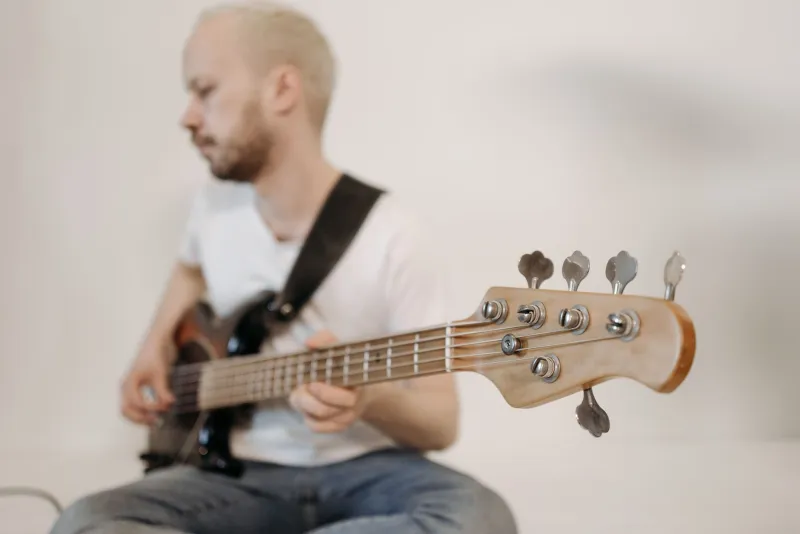
Take Maya, fifteen, of Columbus, Ohio. Two years ago she signed up for a free after-school program at a neighborhood nonprofit because, in her words, "my mom worked late and it was something to do." The program handed her a loaner bass and twenty minutes of instruction a week.
Twenty minutes became an obsession. She stayed late for open jam hours. She joined the program's house band, playing covers at community events. Last spring, a local coffee shop needed live music and the program director recommended her trio. They got paid — actual money, split three ways — for a forty-five-minute set.
"My first gig paid like forty bucks total," Maya laughs. "But it was the best forty bucks of my life. And I never would've touched a bass if it wasn't free to try."
She bought her own bass with her next two gigs' worth of pay. The loaner went straight back into the program's inventory, waiting for the next kid.
Who Still Gets Left Behind
The honest truth is that free programs, heroic as they are, can't cover everyone. Waitlists are common. Rural kids without transportation to a city program remain largely out of luck. And funding is a perennial tightrope — grants expire, donations dry up, and a program that thrives one semester can shrink the next.
There's also the quiet problem of sustainability. A kid who falls in love with music needs more than a loaner guitar forever. They need gear maintenance, eventually their own instrument, and down the line, access to recording and performance opportunities. The best programs acknowledge this and build pipelines: instrument grants, partnerships with local music stores for discounted gear, and connections to all-ages venues willing to book young acts.
What Parents and Kids Can Do Right Now
If your kid wants to play but your budget says otherwise, the path is more open than you might think:
- Ask your library first. Many systems now loan instruments the way they loan books, and some host jam programs.
- Check parks and recreation departments. Community centers increasingly run music programming on sliding scales — and "sliding" often means zero.
- Look for nonprofit lesson hubs. Organizations like Girls Rock camps and local music nonprofits offer need-based scholarships for instruments and lessons.
- Ask schools about instrument lending. Band programs often have idle instruments gathering dust in storage, and some directors will lend them to motivated students.
- Donate, if you can. That guitar in your closet is doing nothing. A program near you can put it in a kid's hands by Friday.
Rock and roll was never supposed to be a rich kids' sport. It came from roadhouses, church basements, and garages — places where nobody checked your income before handing you a microphone. The free programs carrying that spirit today aren't charity. They're talent scouts for a generation the industry would otherwise miss.
And somewhere out there, a kid is picking up a borrowed bass for the first time, planning to pay it back with interest — one gig at a time.