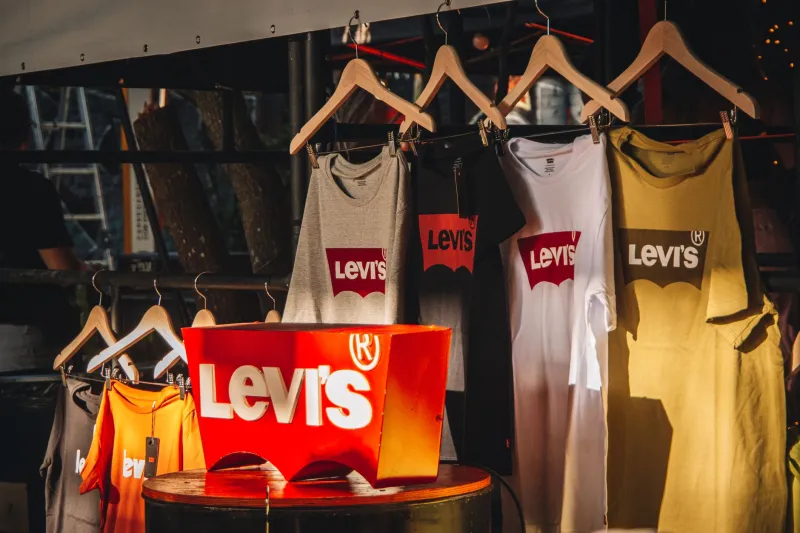
Hoodies That Buy the Van: Inside the Teen Merch Economy
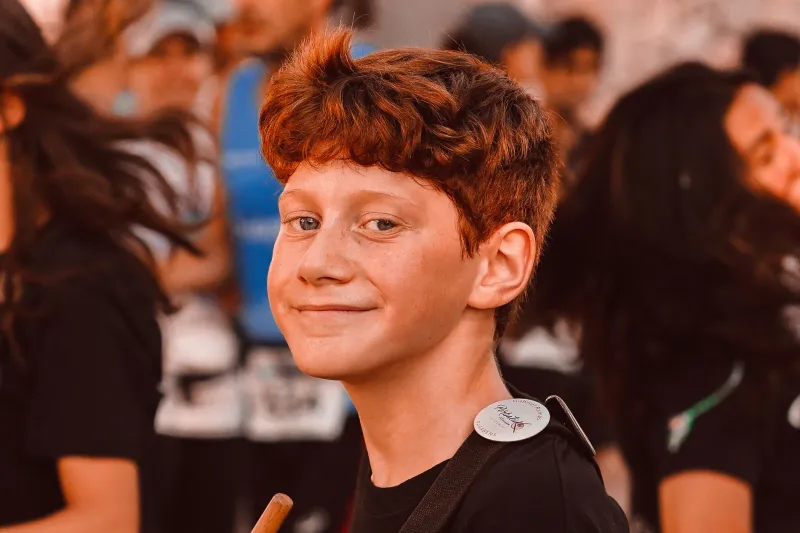
There's a moment at nearly every all-ages show in America that says more about the future of the music business than any streaming dashboard ever could. It happens between sets, when the crowd migrates not to the bar — most of these venues don't have one — but to the folding table by the soundboard where a teenage drummer is making change out of a fanny pack.
The merch table has become the beating heart of the DIY music economy, and nobody understands that better than the under-18 acts who can't legally sign the contracts their heroes did. For young bands, selling a $25 shirt isn't a side hustle. It's the whole business model.
Why Merch Comes First
Ask any teen band what their first expense was and you'll rarely hear about studio time. You'll hear about shirts.
"We played five shows before we had a single original song that people could stream," says a 16-year-old bassist from a suburban Phoenix three-piece. "But people would come up after the set and ask if we had merch. So we made merch."
The math is simple and brutal. Streaming pays fractions of a cent. A shirt that costs $6 to print and sells for $25 pays for itself plus two hours of rehearsal space. Multiply that across a school year of weekend gigs and you're looking at real money — the kind that turns into recording sessions, PA speakers, and in one case we heard about, a 2004 Honda Odyssey with 190,000 miles that a Portland band bought almost entirely with hoodie sales.
The Shoestring Startup Kit
The good news for bands with zero capital: the barrier to entry has never been lower.
Start with one design. A band name in a bold font. That's it. Resist the urge to commission album art before you have an album. Clean, readable, high-contrast designs sell better at shows anyway, where buyers are squinting across a dim room.
Choose your printing path:
- Local screen printers — usually the best per-unit price at quantities of 25 or more, and worth calling even if they seem out of budget. Many will cut a deal for a band that promises to tag them on social media.
- Print-on-demand services — no upfront cost, but margins shrink to a few dollars per item. Better for testing a design than building a bankroll.
- Heat transfer vinyl and a borrowed Cricut — the true DIY route. Labor-intensive, but a determined high schooler with a crafty aunt can turn out a dozen shirts for the cost of blank tees.
Don't sleep on stickers. They cost pennies, they sell for a dollar or two, and every sticker that ends up on a skateboard or a water bottle is free advertising. Several young acts we spoke to made their entire first merch investment back in stickers alone before the shirts even moved.
Pricing Without Panic
Underpricing is the rookie mistake. A shirt that sells for $15 feels generous until you realize you made $4 per unit and the gas money to the gig just evaporated.
A workable framework for young bands:
- Stickers: $1–$3
- Buttons and patches: $2–$4
- T-shirts: $20–$25
- Hoodies: $40–$45
Yes, $25 for a shirt sounds steep until you remember that fans at a show are buying a memory, not cotton. Price with a margin of at least $10 per shirt so that even a slow night leaves you ahead.
Taking It Online (Gently)
Once a band has a design that sells in person, a simple online store is the natural next step — and for minors, it's a family project by necessity. Most platforms require an adult to hold the account, which makes this one of the rare band expenses where a parent's involvement is genuinely useful rather than just chauffeur duty.
Keep it simple: one storefront, a handful of items, and honest shipping timelines. A band that takes three weeks to mail a hoodie learns a hard lesson about customer service before their voice even finishes changing.
A Word for the Parents
If your kid asks you to front $300 for a merch run, here's the honest breakdown of what's worth it:
Worth it: a modest first run of one shirt design (25–50 units), stickers, and a cash box with a card reader. Square readers are free and teach real financial literacy faster than any allowance system.
Wait on it: custom embroidered jackets, vinyl, and anything requiring a minimum order over 100 units. Save the big swings for when the band has played enough shows to know its audience.
And maybe the most important investment of all: the ride to the gig. Because the merch table only works if there's a show to set it up at.
The next generation of American rock stars is being funded twenty-five dollars at a time, one fold-up table at a time. It's not glamorous. But it is, undeniably, the music industry — scaled down to a size a sixteen-year-old can run.