Five Lunchbox Amps, Four Gigs, Zero Blown Speakers: A Field Test by Actual Teen Bands
The first amp a kid gets is usually the wrong amp, and it is usually wrong for one of two reasons: it is too loud to use anywhere they actually practice, or it is too quiet to be heard over a drummer who has not yet learned the word dynamics.
So we did the obvious thing. We rounded up five small combo amps in the seventy-five to two-hundred-dollar range, handed them to three teenage bands in three different towns, and told them to treat the things exactly the way they would treat their own gear — which is to say, badly.
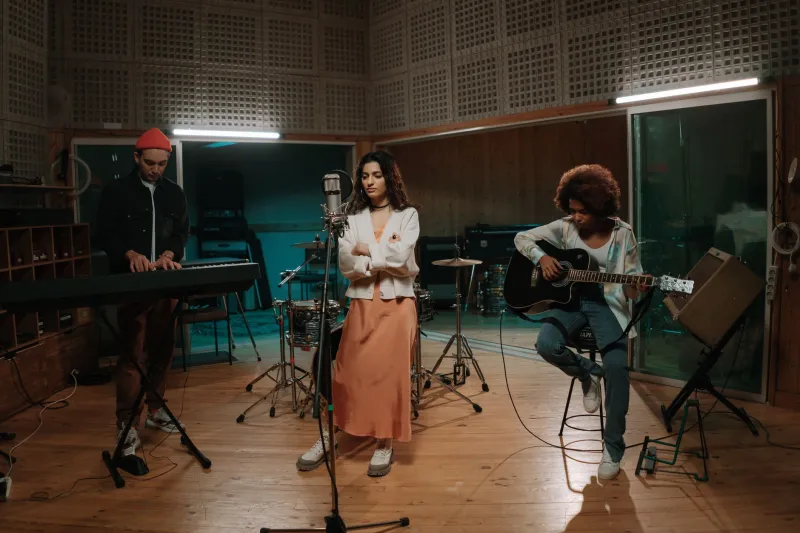
Testing conditions: a bedroom with carpet and a closed door, a concrete basement with a full drum kit, a school auditorium with a borrowed PA, and one coffee shop gig that got booked forty-eight hours in advance because the original act canceled.
How We Scored Them
Four categories, ten points each. Durability is what it survived. Loudness is whether it could be heard next to a real drummer without being mic'd. Feedback control is how well the player could manage squeal in a small room, which honestly matters more than wattage. And lunchbox factor is exactly what it sounds like: can a fourteen-year-old carry it, a cable bag, and a guitar in one trip, including up a flight of stairs.
1. Blackstar Fly 3 — The One That Lives in a Backpack
Three watts, battery-powered, roughly the size of a hardcover book. This was the amp everyone fought over on the way to rehearsal and nobody wanted on stage.
In the bedroom it is genuinely lovely — warm, small, and quiet enough that a parent in the next room does not have an opinion about it. In the basement, next to a drummer, it disappears completely. At the talent show it worked only because the school's AV volunteer had a spare mic to point at the grille.
Durability 9 / Loudness 3 / Feedback control 5 / Lunchbox factor 10.
Buy it for a kid who is just starting and practices in a bedroom. Do not buy it as a band amp. It is a practice tool that happens to be adorable.
2. Boss Katana-Mini — The Reliable Middle Child
Seven watts, a small speaker, and a set of built-in tones that sound better than a hundred-dollar amp has any right to. This one came back with a scuffed corner and no complaints.
It handled the basement better than expected — audible, though not exactly commanding, against a teenager playing with enthusiasm rather than restraint. The coffee-shop gig was its best moment: small room, acoustic-ish set, no drums, and the amp sounded full and warm and appropriately sized. Feedback control was decent once the kids figured out not to stand directly in front of it.
Durability 8 / Loudness 5 / Feedback control 7 / Lunchbox factor 9.
This is the safest first real purchase on the list, and the one most likely to still be in use two years from now.
3. Orange Crush 12 — The One That Looks Right
Twelve watts, one speaker, and that unmistakable orange tolex. Aesthetics matter more to teenagers than anyone over thirty wants to admit, and this amp made the band look like a band before anyone played a note.
It got loud enough for the basement and clean enough for the coffee shop. It also produced the most feedback on our list when a player turned to face the amp at close range in the school auditorium, which is a technique problem as much as an amp problem. Once the guitarist stepped two feet to the side, it settled down.
Durability 9 / Loudness 6 / Feedback control 5 / Lunchbox factor 8.
If the goal is a starter amp that a kid will be proud to own and that can grow into small gigs, this is the emotional favorite.
4. Fender Mustang LT25 — The Swiss Army Knife
Twenty-five watts and a pile of digital models and effects. This is the amp for the kid who wants to sound like eleven different bands in the same week, and it does that job without needing a single pedal.
The extra wattage showed up exactly where it mattered: the basement rehearsal, where it was clearly the loudest of the five and could be coaxed into a genuinely usable clean tone under a drummer. The talent show was the easiest load-in of the day because the band did not need to borrow a single pedal. The trade-off is the menu system, which required a fifteen-minute tutorial from a patient seventeen-year-old.
Durability 8 / Loudness 8 / Feedback control 7 / Lunchbox factor 6.
Best value for a band that is actually gigging. Slightly heavier, slightly more complicated, considerably more capable.
5. Vox Mini Go 10 — The Battery-Powered Wildcard
Ten watts, battery or wall power, and a built-in rhythm section that the drummer in our test band immediately declared unfair. It was the only amp that could be carried to a park, which the kids did, unprompted, on a Tuesday.
It held its own in the basement and handled the coffee shop with room to spare. Feedback control was solid, though the smaller cabinet means it starts to compress when pushed hard. The battery life held through a full rehearsal, which surprised everyone including us.
Durability 8 / Loudness 6 / Feedback control 6 / Lunchbox factor 9.
The most fun amp here, and the best pick for a kid whose practice space changes every week.
What a Parent Should Actually Take Away
Ignore wattage numbers as a primary spec. A seventeen-year-old and a forty-year-old mean completely different things by loud enough.
Match the amp to the room the kid actually plays in. If practice is a bedroom and a once-a-month school show, the two smallest amps on this list are fine. If the kid is standing next to a drummer twice a week, spend the extra eighty dollars.
And buy used when you can. Every one of these showed up on a local marketplace listing within a month of our search, usually at half price, usually because some other teenager upgraded. The amp on this list that survives being carried like a lunchbox, dropped on a curb, and shoved under a bed is the one worth keeping — and honestly, any of these five will do that job.